Recovery at WildWood Farm Madison
Recovery at WildWood Farm Madison is an affirming program on the Connecticut Shoreline. It lists outpatient care and 6-15 beds, with co-occurring mental health support. This page covers how it works and what to ask before you call.
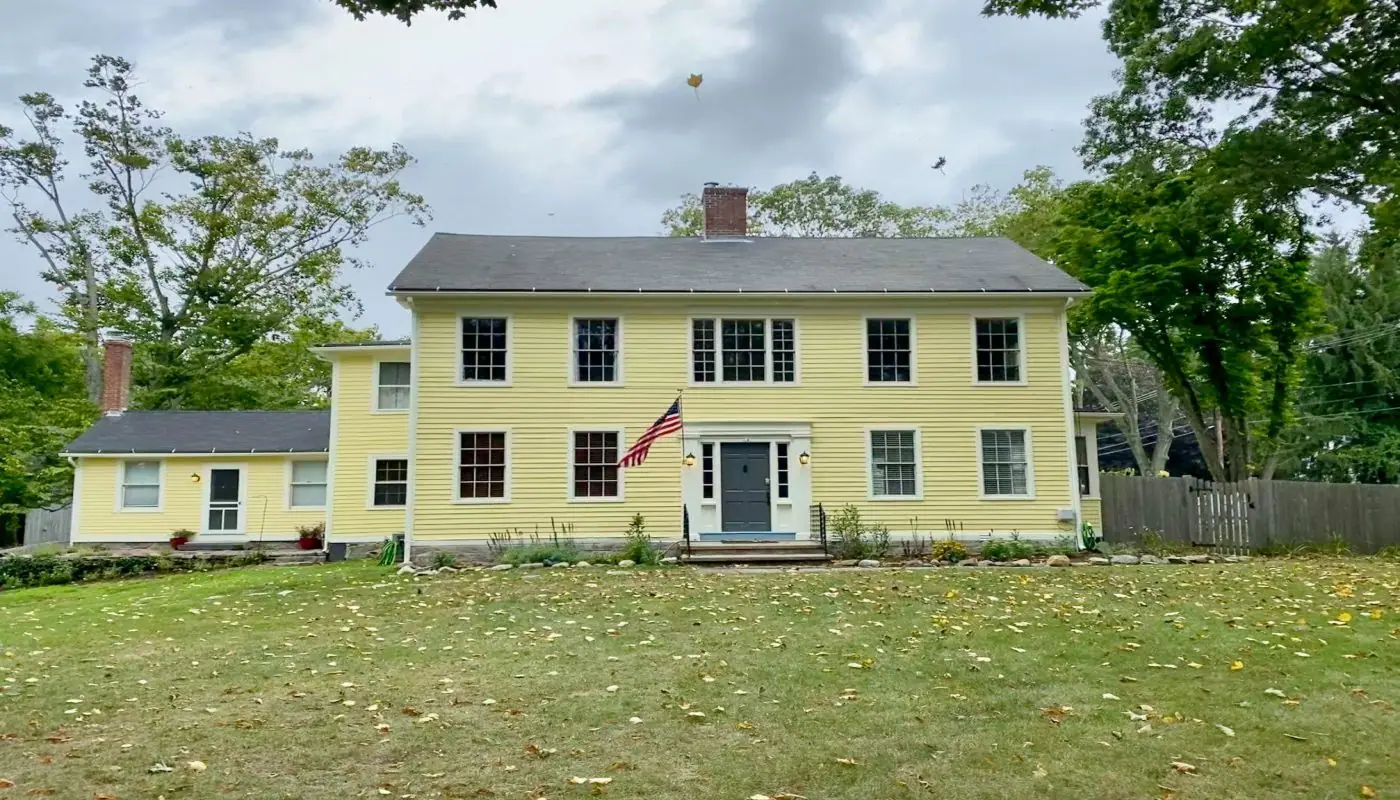
- Outpatient
- Co-Occurring Mental Health
- 30+ days
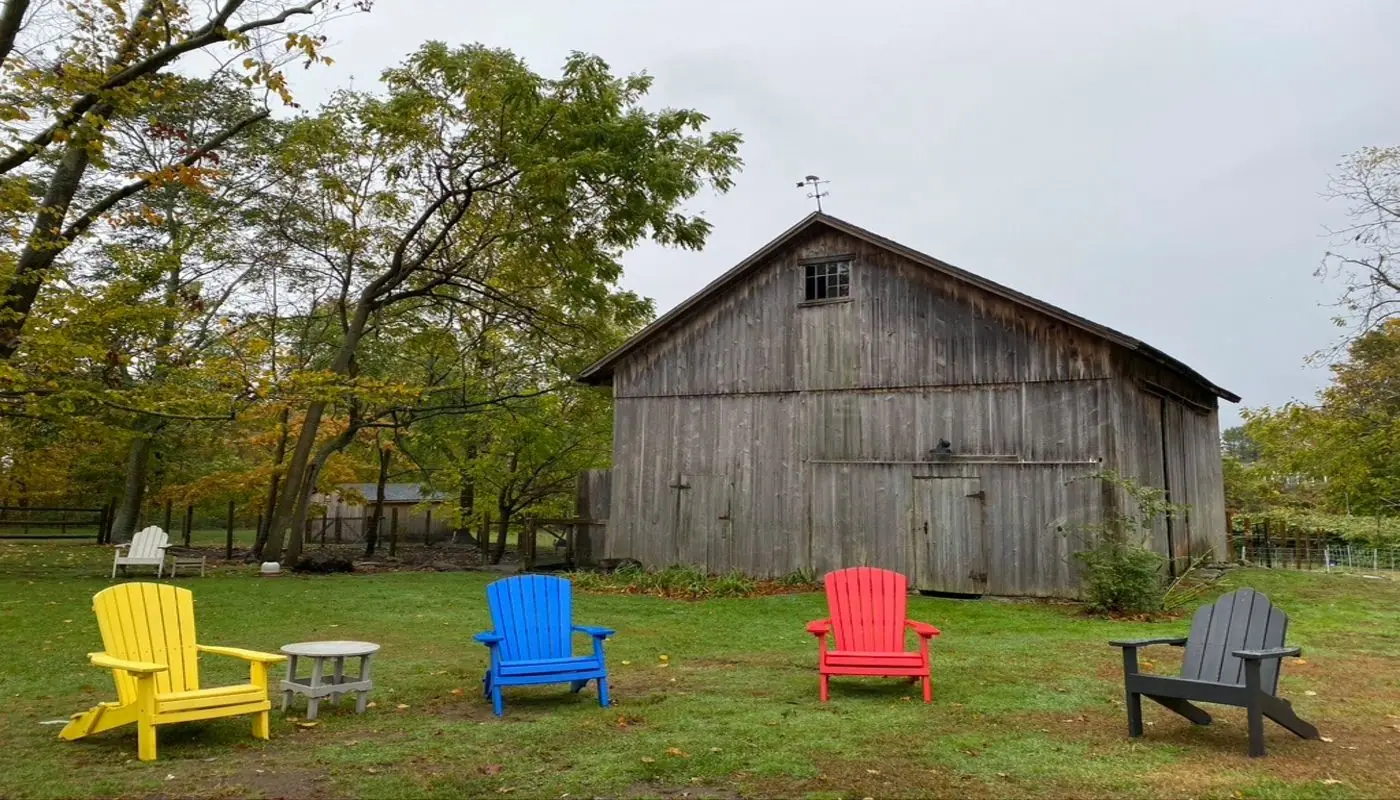
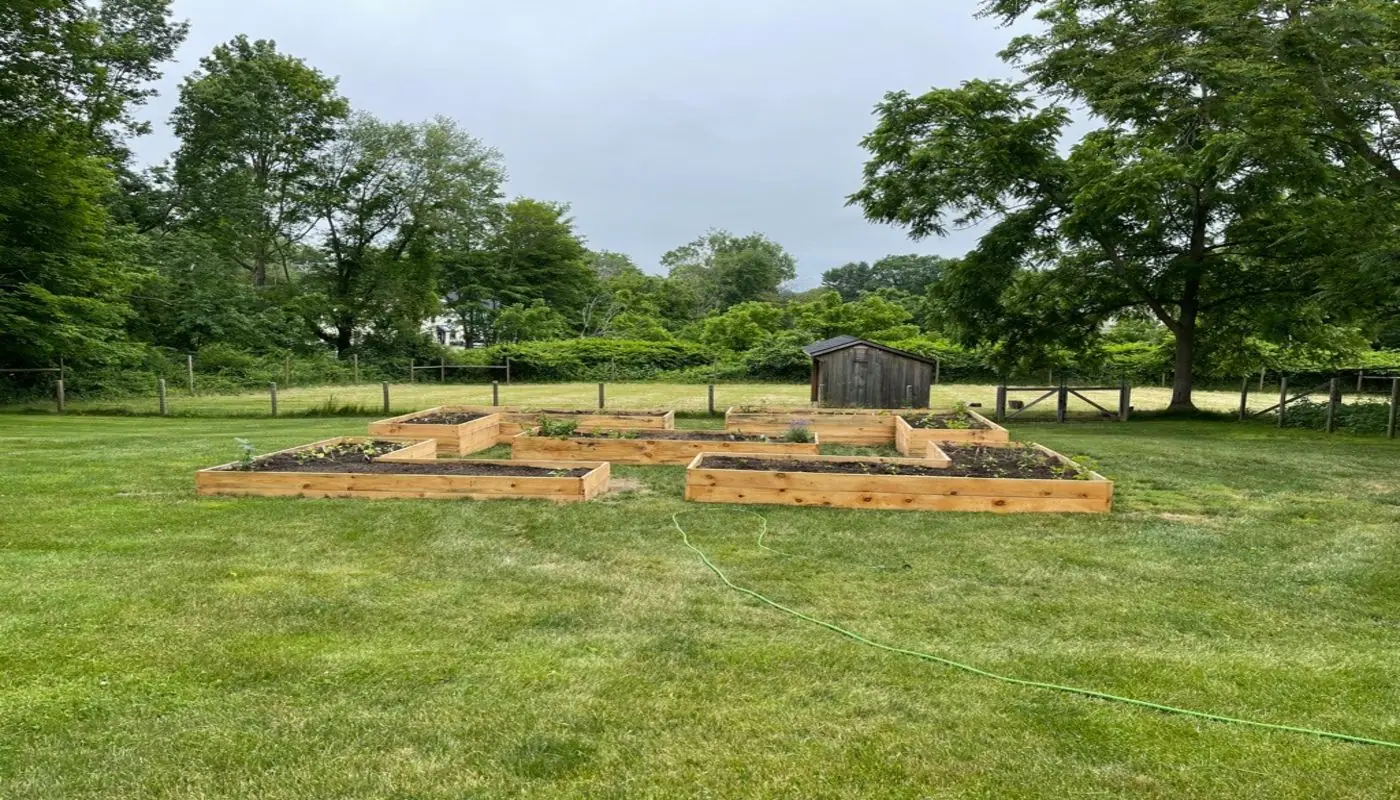
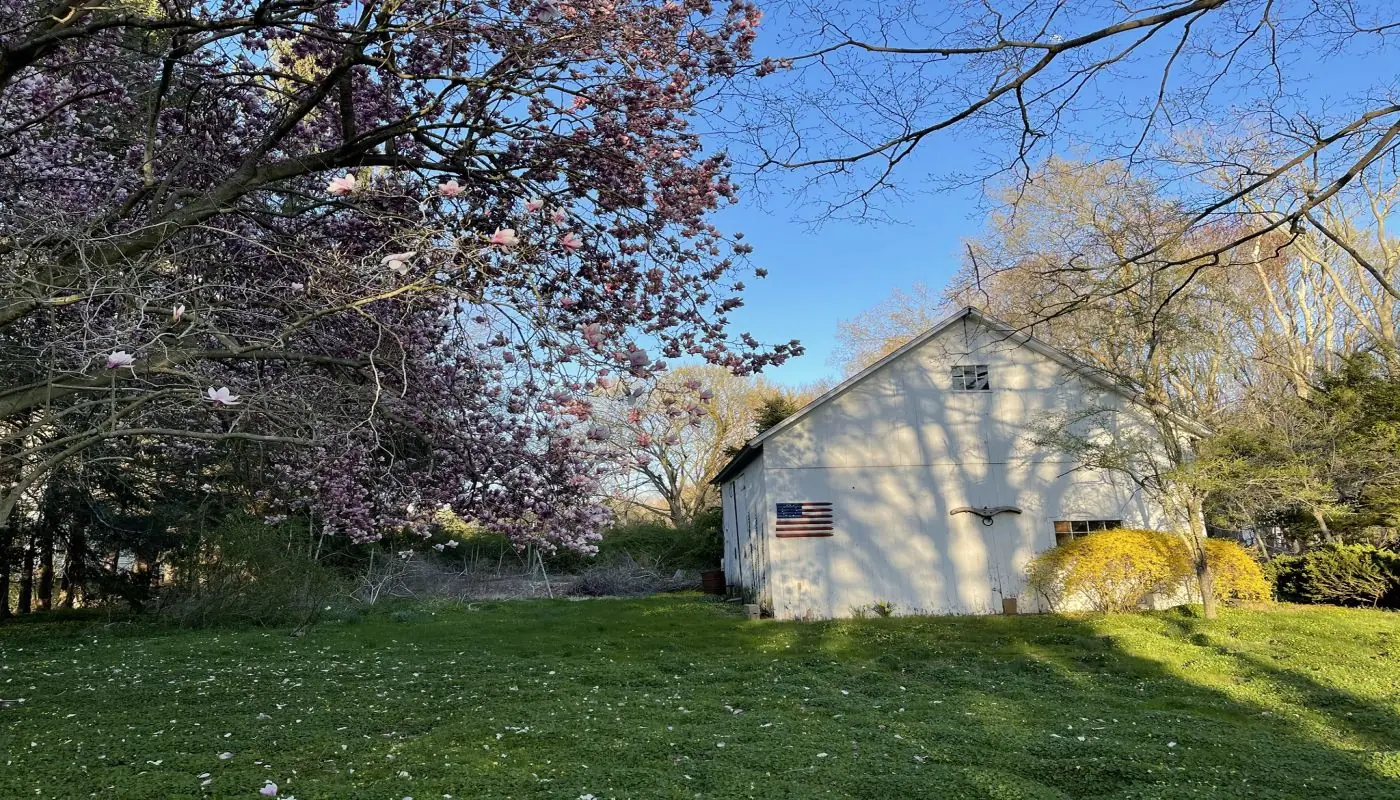
Located on the Connecticut Shoreline in Madison, this program serves individuals who see themselves as members of the LGBTQ+ community. When staff put together a treatment plan, they factor in each person's own history, and the grounds are described as queer-normative, which is to say the environment was built with that community in mind from the outset rather than adjusted for it later.
Everyday routines involve farm tasks such as caring for animals, gardening, and household chores, plus a therapy dog and other animals on the property. Care blends evidence-based talk therapies with experiential and Twelve Step approaches, and the center treats mental health needs together with substance use at the same time, so both are addressed concurrently rather than one after the other.
For anyone comparing this program with the wider field, Connecticut has 156 facilities listed on SAMHSA FindTreatment.gov. That listing figure is a starting point for a search, not a measure of quality, and the questions further down are the ones worth putting to staff directly before any decision.
recovery at wildwood farm madison
At WildWood Farm Madison, recovery includes outpatient care as well as mental health treatment for co-occurring conditions, with a typical program lasting 30 days or more. Connecticut lists 156 facilities on SAMHSA FindTreatment.gov, so it helps to know how this one fits your needs. Therapy choices include one-on-one therapy and dialectical behavior therapy as well as cognitive behavioral therapy, motivational interviewing, family therapy, and Twelve Step facilitation. Medication-assisted treatment, art therapy, and animal therapy are also available there.
As described, the approach is experiential and centered on the individual, built on Twelve Step participation. In an LGBTQ+ affirming Madison setting, offerings include art and animal therapy, gardening and farming, yoga, and AA and NA meetings. When a person has an emotional or psychiatric condition and a substance misuse issue, one program that addresses both at once often works better than two separate referrals. When benzodiazepine or alcohol withdrawal is a concern, a clinician should assess it before setting any treatment plan, since stopping those substances can become medically dangerous and needs medical oversight.
- Dialectical Behavior Therapy
- Experiential
- Family Therapy
- Motivational Interviewing
- Animal Therapy
- Medication-Assisted Treatment
- Twelve Step Facilitation
- Cognitive Behavioral Therapy
- 1-on-1 Counseling
- Twelve Step
Who this WildWood Farm program serves
- Adults who identify as LGBTQ+ and are seeking treatment for alcohol or drug use, including heroin, opioids, methamphetamine and marijuana.
- People with mental health needs together with substance use, such as personality disorders, eating disorders, or suicidality, are treated alongside substance use.
- Men and women, with the program listed as LGBTQ+ only in its who-we-treat information.
- People in chronic relapse who want a longer structure than a short course of care.
- Anyone who wants an affirming setting where sexual orientation and gender identity are central to the program design rather than an afterthought.
Setting and length of stay in Madison
The center lists 6-15 beds as its occupancy and 30 or more days as a typical program length. Set in Madison, the grounds include gardens, walking trails and access to nature, with air-conditioned rooms and services offered in English. Amenities and census can change, so confirm current availability by phone before making plans.
- Walking Trails
- Access to Nature
- Gardens
Paying for care at WildWood Farm
The center lists out-of-pocket rates, and insurance is not listed in its profile. If you plan to use insurance, then the plan's behavioral health line is the place to ask about out-of-network benefits, since coverage depends on the individual policy. The helpline can help callers check what a program accepts and what verification would involve; it does not promise that coverage will be approved or that a bed will be available. State Medicaid may also cover some services, so ask about that directly.
Ask these before admission in Madison
- Which insurance plans and cash pay arrangements does the center accept, and what will verification require from me?
- How many people are in the program right now, and what does a typical week look like?
- Who provides medical and psychiatric oversight, and how is withdrawal risk assessed before treatment begins?
- What happens if my mental health needs change during treatment, and how are co-occurring conditions handled day to day?
- What is a realistic cost estimate for 30 or more days, including any fees not covered by insurance?

Other centers to compare
-
Elevate Health and Wellness
4.4/571 Google reviews
Westport, CTTypical stay 5 days
- Detox
- Outpatient
Elevate health and wellness westport provides care for both substance use and mental health conditions in Connecticut.
-
Liberation Programs Main Street Clinic
3.7/56 Google reviews
Stamford, CTTypical stay 30 days
- Residential Rehab
- Detox
- Outpatient
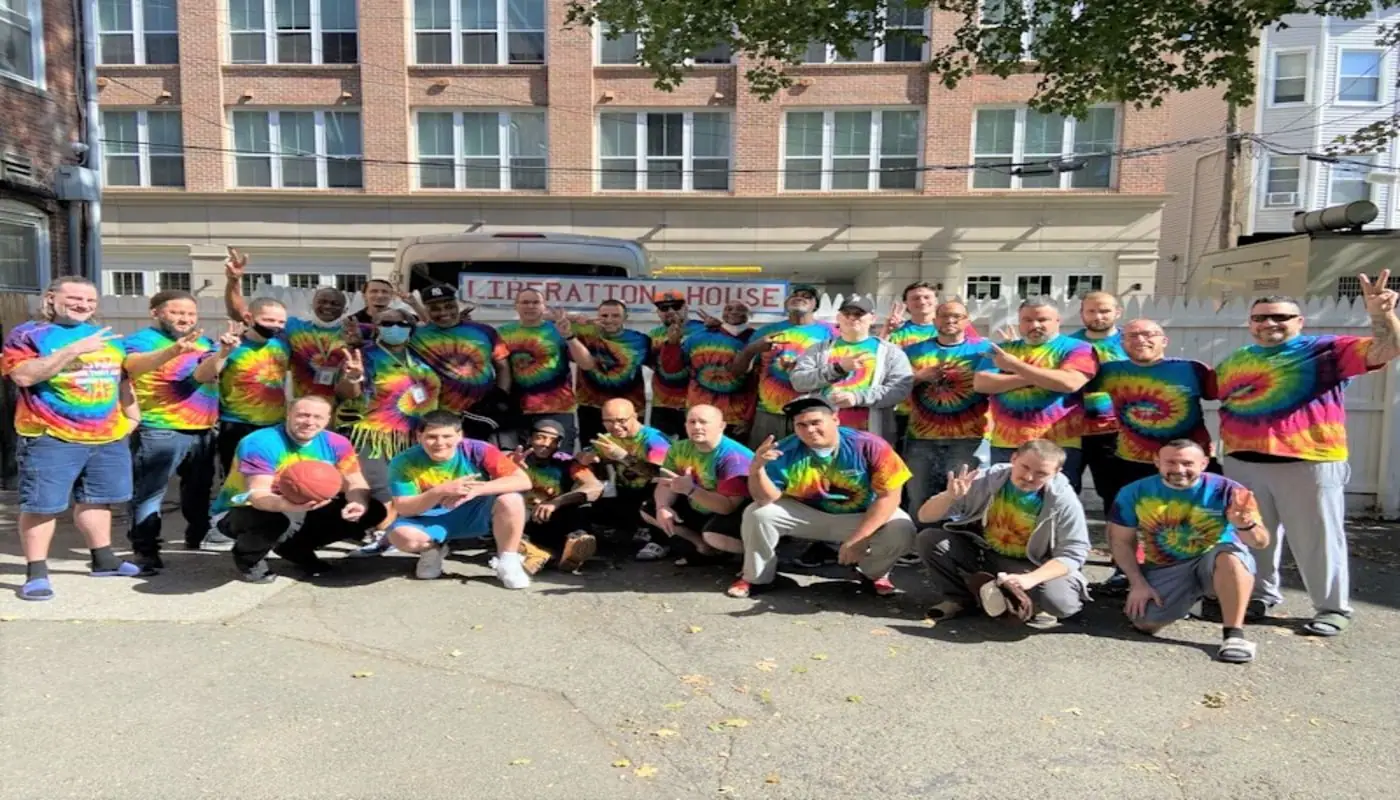
Located downtown in Stamford, this site provides detox, residential rehab, outpatient care and mental health needs treatment alongside substance use.
-
North Stonington, CTTypical stay 30 days31-50 beds
- Detox
- Outpatient
- Co-Occurring Mental Health
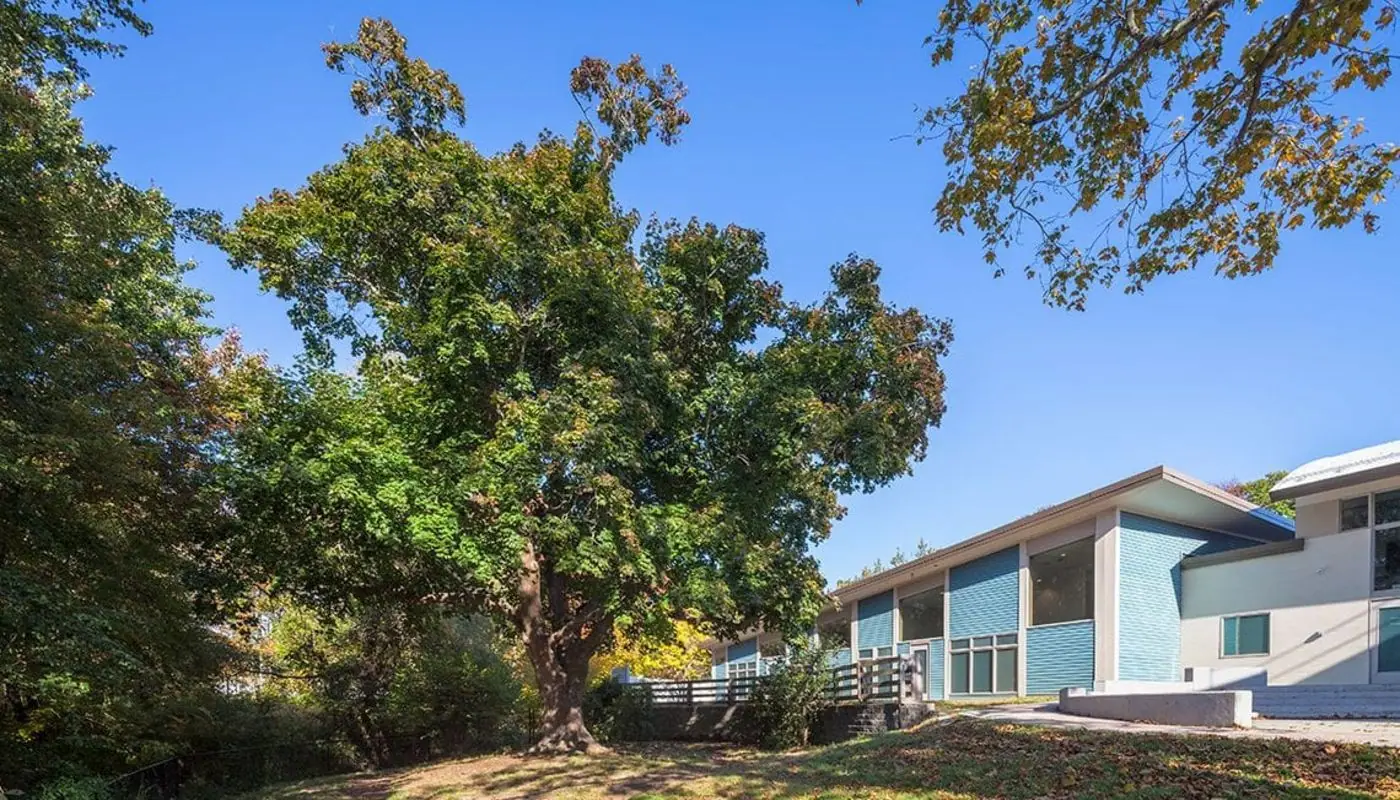
Stonington Institute is a behavioral health center in North Stonington, Connecticut, accredited by the Joint Commission.
-
Bridgeport, CTTypical stay 5 days
- Outpatient
- Co-Occurring Mental Health
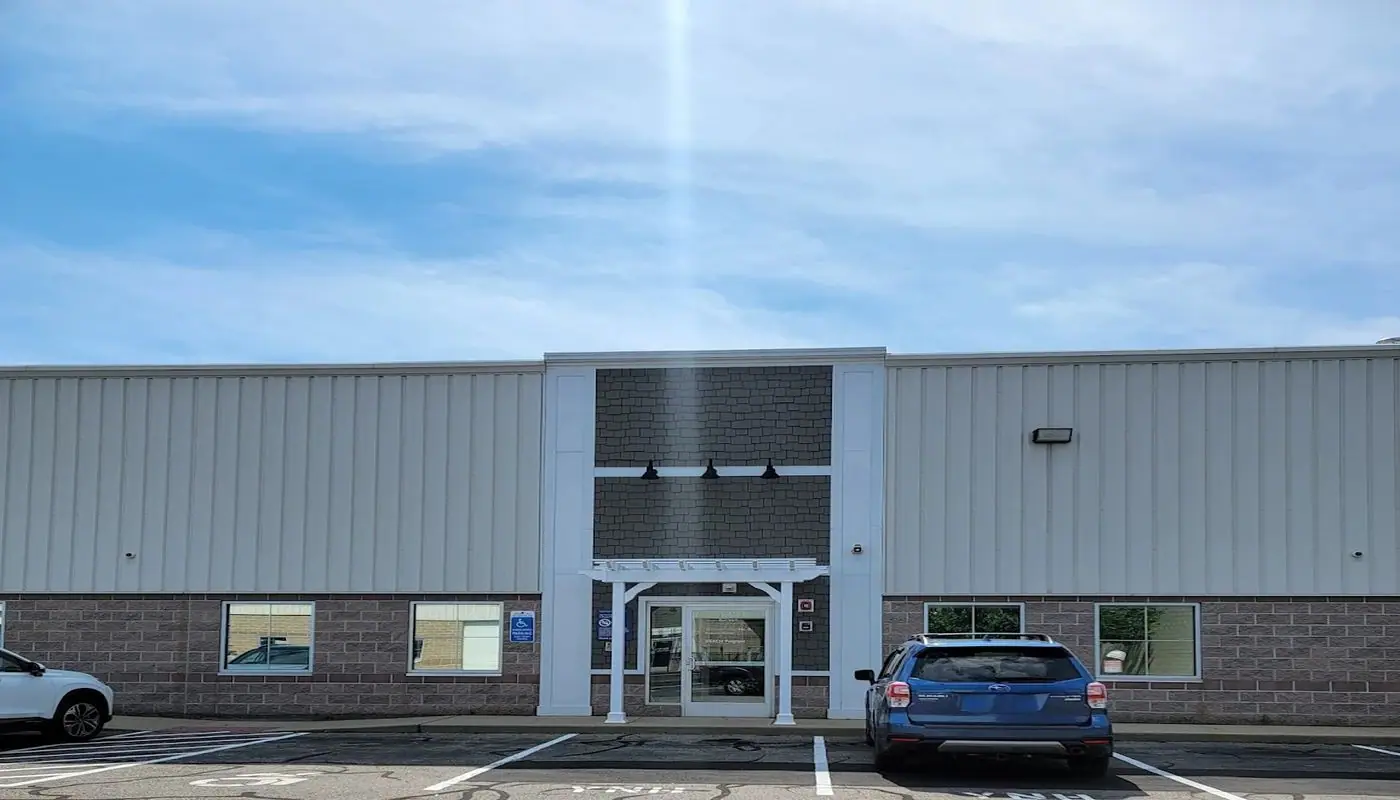
This page is about REACH Adult and Youth Services in Bridgeport.
-
Blue Sky Behavioral Health
3.6/544 Google reviews
Danbury, CTTypical stay 30 Days
- Outpatient
- Co-Occurring Mental Health
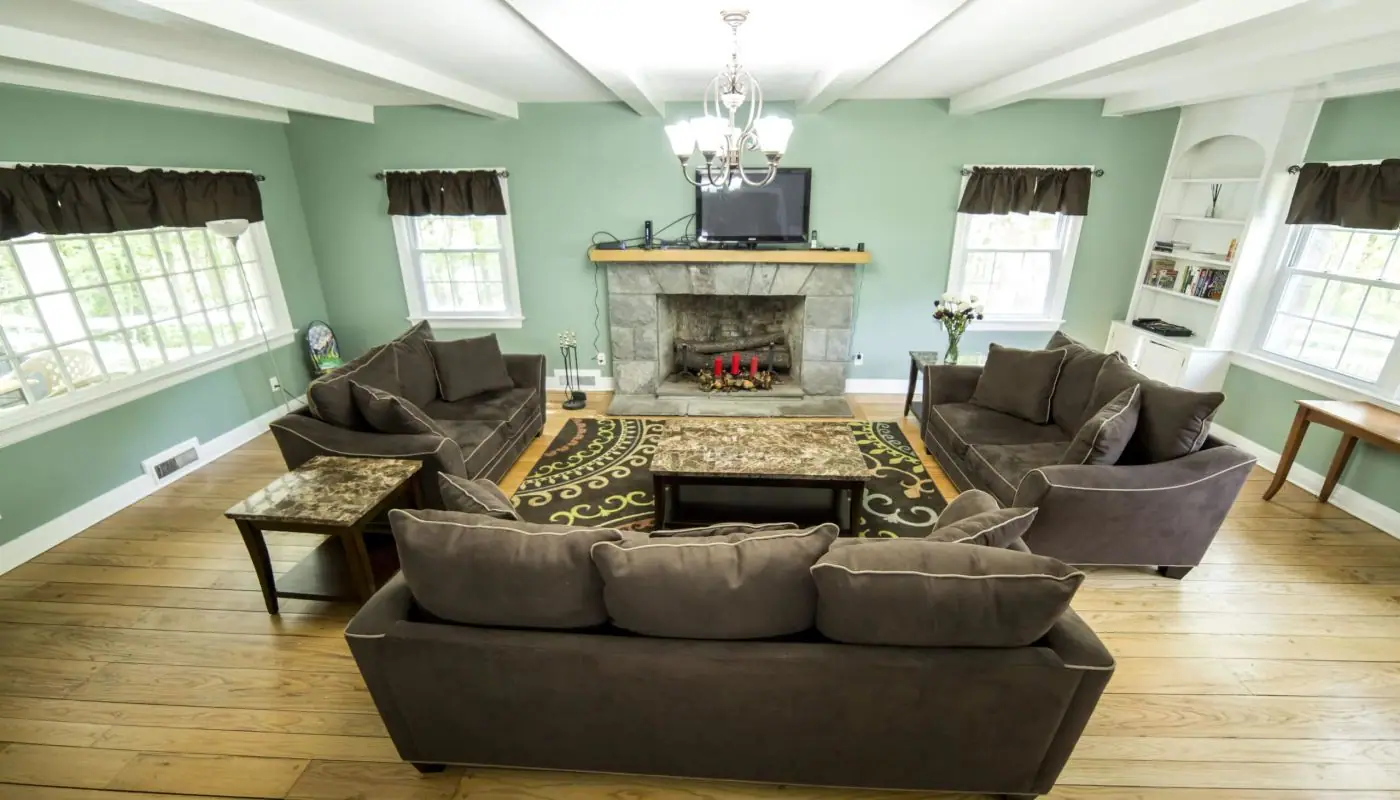
Blue Sky Behavioral Health Danbury provides structured outpatient care for adults facing alcohol and drug challenges.
-
CCAR-New Haven Recovery Community
4.9/531 Google reviews
New Haven, CTTypical stay 30 days
- Co-Occurring Mental Health
The CCAR-New Haven recovery community center New Haven is a peer-led space run by a Connecticut nonprofit.

FAQ
Is Recovery at WildWood Farm Madison an inpatient or outpatient program?
Co-occurring mental health services plus outpatient care are listed as the center's care options. It also lists 6-15 beds, which points to residential capacity, so ask staff directly whether a given stay is residential or outpatient before you make plans. That difference affects cost, schedule, and how much time is spent away from home.
How long does treatment at Recovery at WildWood Farm last?
The center lists 30 or more days as a typical program length. Individual stays can run longer depending on clinical need, and there is no single right answer for everyone. Ask staff what length they would recommend after an assessment and how continuing care is arranged when the program ends.
Who does the program serve?
The who-we-treat information lists men and women and describes the program as LGBTQ+ only, with adults seeking help for alcohol, opioids, methamphetamine, marijuana and other drugs. Co-occurring conditions including eating disorders, personality disorders and suicidality are also listed. Confirm fit with staff, since eligibility can depend on clinical details the listing does not show.
How many addiction treatment facilities are in Connecticut?
Connecticut has 156 facilities listed on SAMHSA FindTreatment.gov, according to data dated November 1, 2026. That count covers many levels of care and payment arrangements. Use it as a way to judge how many alternatives exist, then narrow the list by location, insurance and the type of program you need.
Does Recovery at WildWood Farm Madison accept Medicaid?
The center lists out-of-pocket rates, and Medicaid is not specifically mentioned in its profile. Coverage can vary by plan and service, so call the center or your state Medicaid office to ask about behavioral health benefits. The helpline can also help you prepare questions about payment and verify what a program accepts.