Connecticut alcohol rehab
Connecticut alcohol rehab covers a range of care, from medical detox to outpatient counseling. As of November 2026, 156 programs in the state are listed on SAMHSA FindTreatment.gov. This guide explains levels of care, payment options, and how to use the free helpline.
- number of facilities
- 156
- provide detox
- 21
- take Medicaid
- 144


Connecticut alcohol rehab levels of care
Connecticut alcohol rehab includes several levels of care, with 133 outpatient programs and 21 medical detox facilities listed by SAMHSA. The level that fits depends on how much support someone needs and whether withdrawal is a risk. Medical detox provides 24-hour monitoring, while outpatient programs allow people to live at home. Connecticut alcohol rehab centers offer 30 residential and 29 PHP programs across the state.
For someone who drinks heavily every day, stopping suddenly can trigger withdrawal ranging from unpleasant to dangerous. At 21 Connecticut facilities, medical detox provides supervision during withdrawal for safety. When the appropriate level of care is unclear, the free helpline can help you compare options nearby. At 133 outpatient sites, many Connecticut alcohol rehab programs accept Medicaid and private insurance.
Popular treatment centers in Connecticut
-
Elevate Health and Wellness
4.4/571 Google reviews
Westport, CTTypical stay 5 days
- Detox
- Outpatient
Elevate health and wellness westport provides care for both substance use and mental health conditions in Connecticut.
-
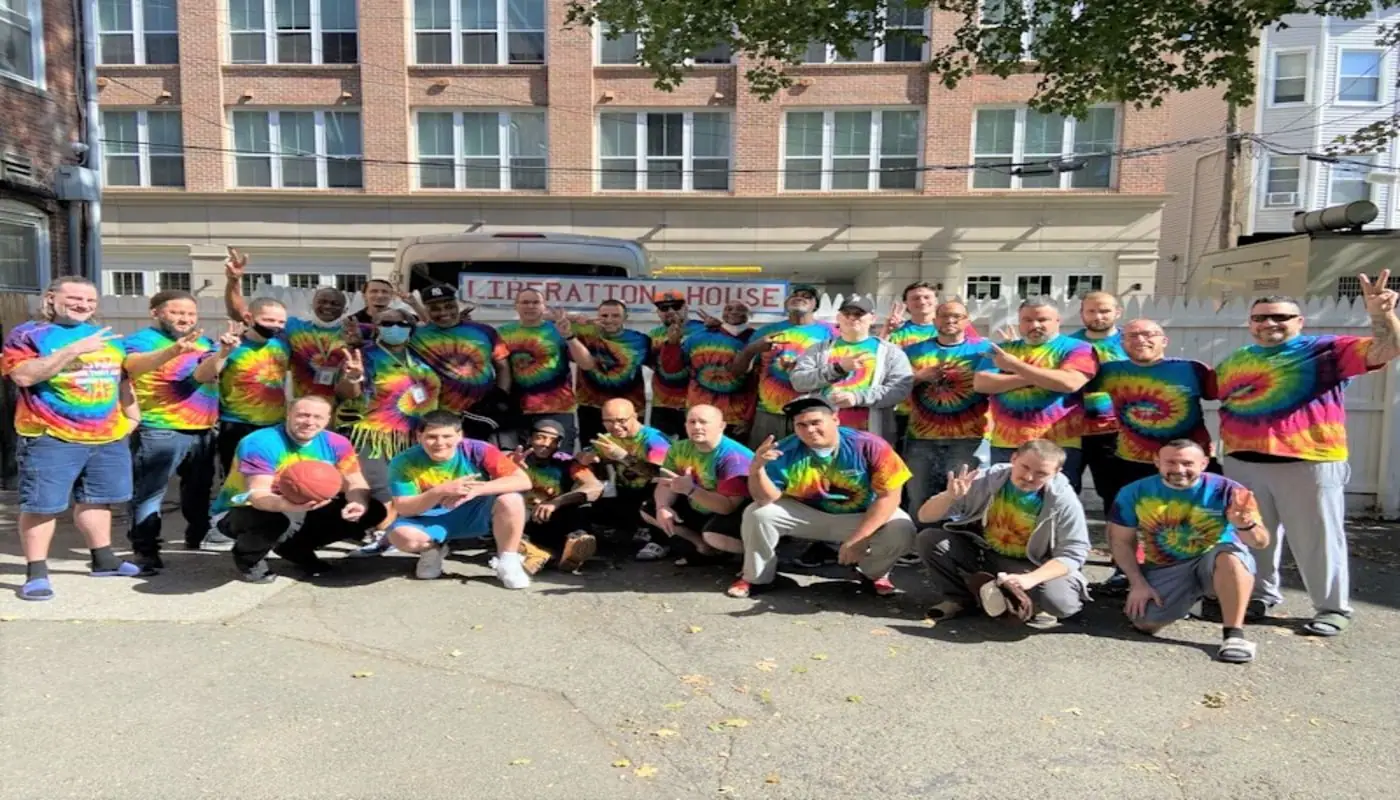
Liberation Programs Main Street Clinic
3.7/56 Google reviews
Stamford, CTTypical stay 30 days
- Residential Rehab
- Detox
- Outpatient
Located downtown in Stamford, this site provides detox, residential rehab, outpatient care and mental health needs treatment alongside substance use.
-
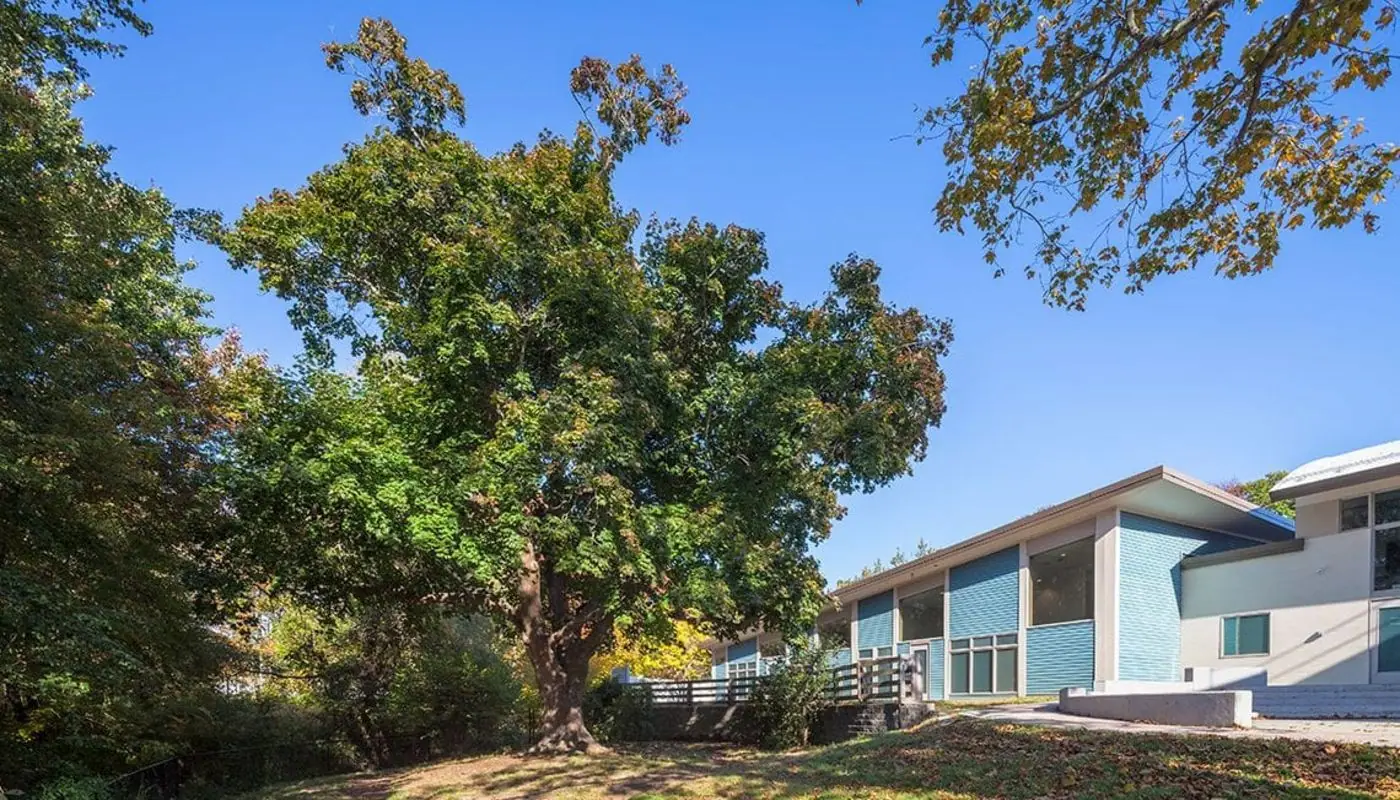
North Stonington, CTTypical stay 30 days31-50 beds
- Detox
- Outpatient
- Co-Occurring Mental Health
Stonington Institute is a behavioral health center in North Stonington, Connecticut, accredited by the Joint Commission.
-
Bridgeport, CTTypical stay 5 days
- Outpatient
- Co-Occurring Mental Health
This page is about REACH Adult and Youth Services in Bridgeport.
-

Blue Sky Behavioral Health
3.6/544 Google reviews
Danbury, CTTypical stay 30 Days
- Outpatient
- Co-Occurring Mental Health
Blue Sky Behavioral Health Danbury provides structured outpatient care for adults facing alcohol and drug challenges.
-
CCAR-New Haven Recovery Community
4.9/531 Google reviews
New Haven, CTTypical stay 30 days
- Co-Occurring Mental Health
The CCAR-New Haven recovery community center New Haven is a peer-led space run by a Connecticut nonprofit.
-
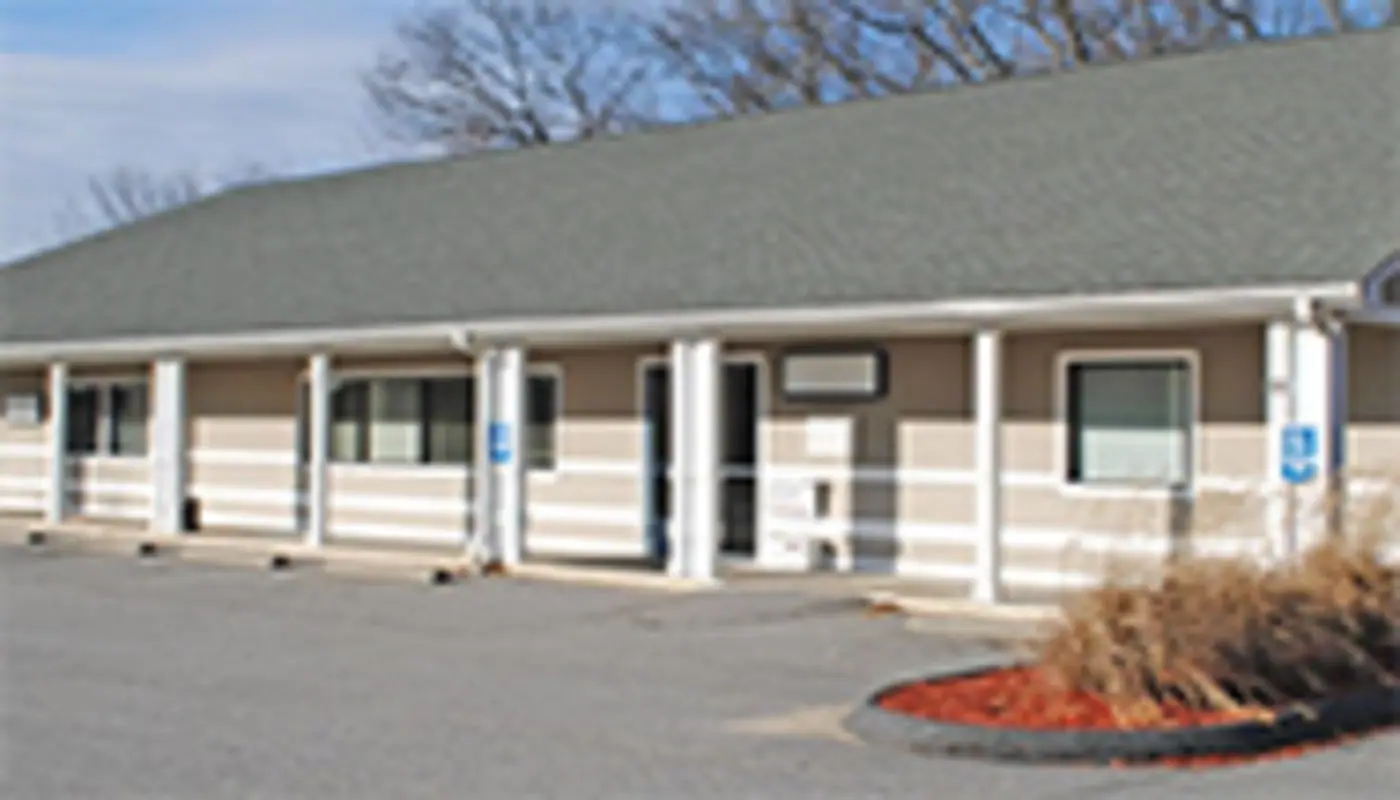
Dayville, CTTypical stay 5 days
- Detox
- Outpatient
Quinebaug Treatment Center Dayville offers detox and outpatient care, including an intensive outpatient program, in northeastern Connecticut.
-
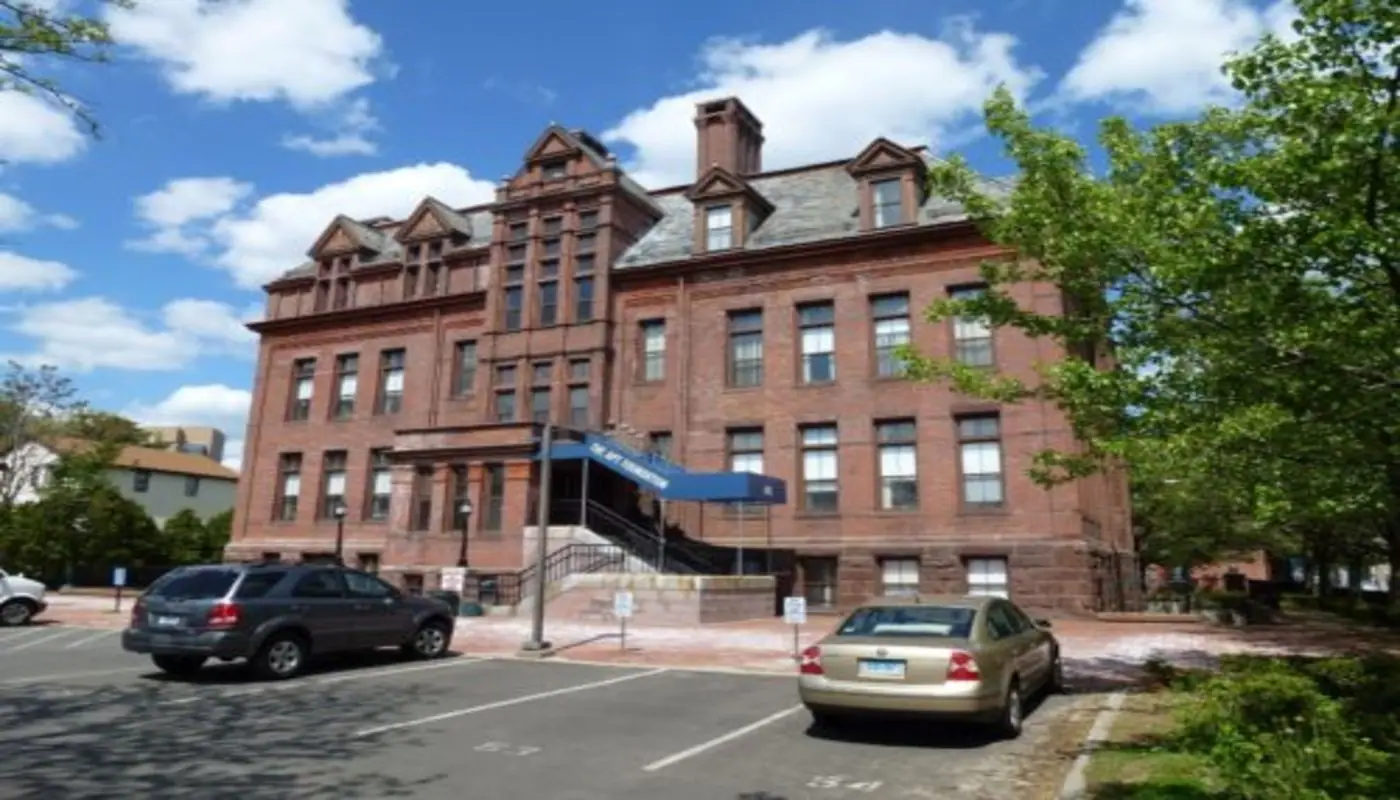
APT Foundation Legion Clinic
4.3/5331 Google reviews
New Haven, CTTypical stay 90 days
- Outpatient
- Co-Occurring Mental Health
APT Foundation Legion Clinic New Haven provides outpatient care for alcohol use at 495 Congress Ave.

What happens on a helpline call
When you call the free helpline, a treatment advisor answers 24/7 and asks about your situation, insurance, and location. The call is confidential, and there is no obligation to enter treatment. Calling the helpline connects you with a treatment advisor who can explain Connecticut alcohol rehab options and check insurance.
Advisors collaborate with licensed providers and can clarify levels of care, payment choices, and what is open. Calls to the helpline cost nothing and stay private, and advisors neither diagnose nor promise admission to any Connecticut rehab center. Whether you call about yourself or another person, you can ask questions at your own pace.

Treating alcohol use disorder
Connecticut alcohol rehab programs address alcohol use disorder with counseling, behavioral therapies, and medications. SAMHSA lists 130 facilities that offer at least one medication for alcohol use disorder, and 132 that provide naltrexone. Alcohol rehab centers in Connecticut offer FDA-approved medications such as naltrexone and acamprosate at 130 locations.
Medications can help reduce heavy drinking and cravings, but they work best alongside counseling and support. Connecticut alcohol rehab programs with medications give people more options for managing alcohol use disorder. If you are considering medication, then talk with a licensed provider about what is appropriate for you.
- offer alcohol detox
- 16
- prescribe medication for alcohol use
- 130
- intensive outpatient
- 76
Connecticut overdose data
Provisional CDC numbers count 787 overdose deaths in Connecticut during the 12 months ending May 2026, down 14% from the year before. Opioids played a role in 625 of those deaths, fentanyl in 524. CDC data show 787 overdose deaths in Connecticut, with opioids involved in 625, underscoring the need for accessible addiction treatment.
Cocaine was involved in 405 deaths, and prescription opioids in 116. Connecticut addiction treatment resources, including 156 listed facilities, are part of the response to these deaths. The decline is encouraging but the numbers remain high, and alcohol use disorder often co-occurs with other substance use.
| Drug | Previous 12 months | Prior year | Difference |
|---|---|---|---|
| All drug overdose deaths | 787 | 916 | -14% |
| All opioids | 625 | 763 | -18% |
| Fentanyl and other synthetic opioids | 524 | 669 | -22% |
| Heroin | 23 | 45 | -49% |
| Prescription opioid pain relievers | 116 | 109 | +6% |
| Methamphetamine | 57 | 58 | -2% |
| Cocaine | 405 | 444 | -9% |
CDC provisional figures, 12 months ending May 2026. Newer months may increase as data arrive.
Paying for alcohol rehab in Connecticut
Connecticut has expanded Medicaid, and 144 alcohol rehab facilities listed by SAMHSA accept Medicaid. Private insurance is accepted at 142 programs, and 97 offer sliding-fee scales based on income. Free alcohol rehab Connecticut options include 1 facility with no fee and 36 with payment assistance. Medicare is accepted at 108 programs and TRICARE at 73.
Some of the 144 programs in those listings may accept Connecticut Medicaid for alcohol treatment. Federal parity law generally means most insurance plans must cover addiction treatment comparably to other medical care. If money is tight, ask about sliding-scale fees at 97 facilities or state-funded care at the 108 programs receiving block grant funds. Connecticut alcohol rehab programs that take Medicaid can give residents with low incomes a covered path into care.
- take Medicaid
- 144
- take private insurance
- 142
- take Medicare
- 108
- provide a sliding fee
- 97

Alcohol rehab centers across Connecticut
The largest numbers of SAMHSA-listed alcohol rehab facilities are in New Haven (13), Waterbury (13), Bridgeport (12), and Hartford (12). Middletown has 9, while Danbury, New London, and Torrington each have 6. Rehab centers across Connecticut include 21 detox and 30 residential programs, with many near cities like Hartford and Bridgeport.





- 1
Call the helpline
Dial the free 24/7 number and speak with a treatment advisor. They will listen and ask basic questions about your situation, insurance, and where you live in Connecticut.
- 2
Discuss treatment options
The advisor can explain levels of care, from detox to outpatient, and check which of the 156 listed facilities might fit your needs and insurance.
- 3
Verify insurance and costs
If you have insurance, the advisor can help verify coverage. They can also discuss sliding-fee and Medicaid options at 144 facilities that accept Medicaid.
- 4
Plan next steps
Should you choose to proceed, an advisor can assist you in reaching a provider. Nothing compels you to enter treatment, and your call stays private.
Common questions
What is a recovery center in Connecticut?
A recovery center in Connecticut is a place that offers support services for people with substance use disorders, often after treatment. SAMHSA lists 156 facilities in Connecticut, including 133 outpatient programs. Recovery centers may provide counseling, peer support, and help with housing. They are not the same as detox or inpatient rehab, but they can be part of a continuing care plan.
How much does rehab cost in CT?
What rehab costs in Connecticut varies by level of care and how you pay. SAMHSA lists 144 facilities that accept Medicaid, 142 that accept private insurance, and 97 with sliding-fee scales. There is 1 facility with no fee and 36 that offer payment assistance. A phone the free hotline to assist you understand costs and coverage for specific programs.
How long is rehab for alcohol usually?
Length of alcohol rehab depends on the level of care a person enters. Detox generally takes a few days to a week, while residential programs may last 28 days or more. Outpatient schedules vary widely. Connecticut has 21 facilities offering detox, 30 offering residential care, and 133 providing outpatient services, so people can find options that suit different routines and needs.
Does Connecticut Medicaid cover alcohol rehab?
Connecticut did expand Medicaid, and 144 alcohol rehab facilities in SAMHSA listings accept it. What is covered depends on the program and on your eligibility. The free helpline can point you to programs that take Medicaid and explain the coverage. Detox, residential, and outpatient treatment may all be covered by Connecticut Medicaid.
Are there free alcohol rehab options in Connecticut?
SAMHSA lists 1 facility in Connecticut with no fee and 36 that offer payment assistance. Additionally, 108 facilities accept block grant funds, which can support free or low-cost treatment. Sliding-fee scales are available at 97 programs. The helpline can help you identify free or low-cost options based on your location and income.
What alcohol rehab programs are available in Connecticut?
There are 156 alcohol rehab programs in Connecticut listed by SAMHSA, among them 21 detox, 30 residential, 29 partial hospitalization, 76 intensive outpatient and 133 outpatient. Medication for alcohol use disorder is available at many: 130 offer at least one, and 132 provide naltrexone. Our free helpline can help you weigh programs and levels of care.