Alcohol detox Connecticut
Alcohol detox in Connecticut means medical supervision while your body clears alcohol. Of the 156 programs listed statewide, 21 offer detoxification, according to SAMHSA FindTreatment.gov. This page explains levels of care, payments and what to ask before you call.
- programs in Connecticut
- 21
- take Medicaid
- 16
- take private insurance
- 21
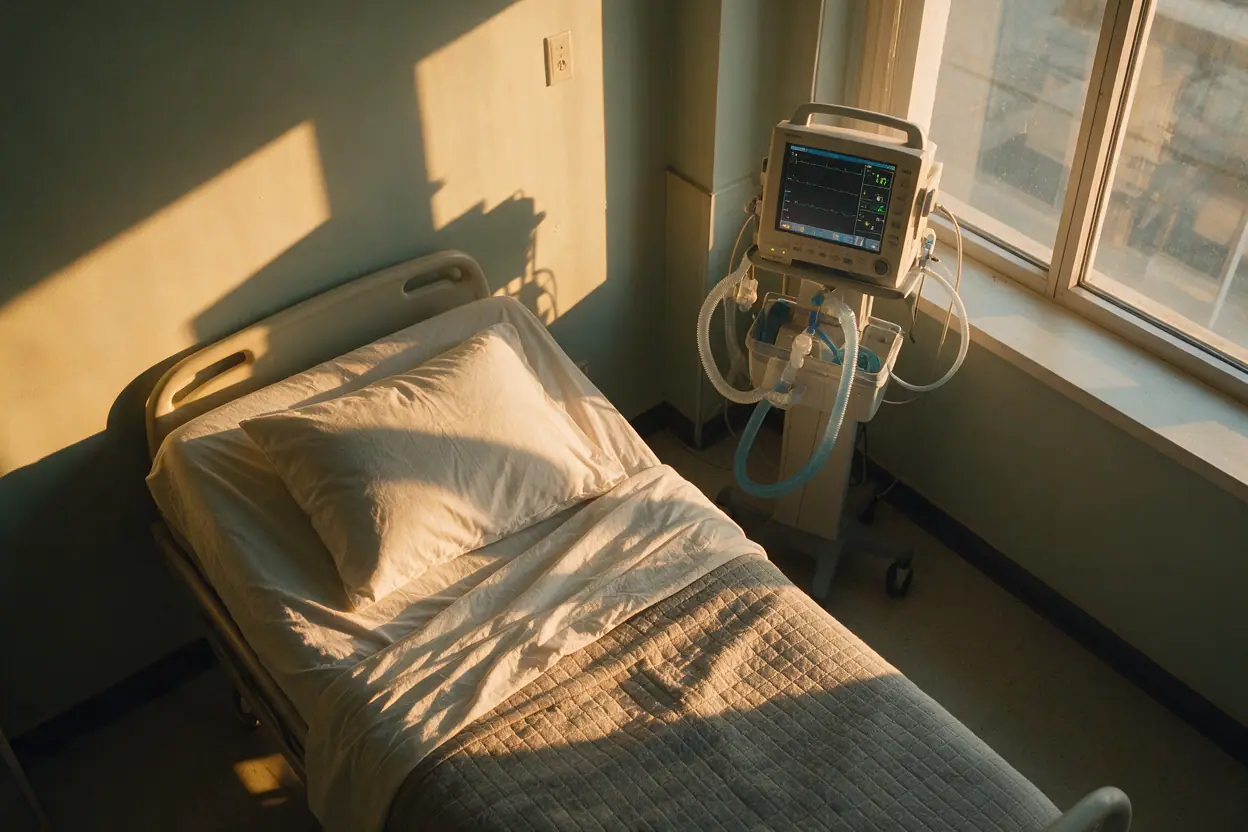
Medical detoxification is the stretch when alcohol clears the body while clinicians watch, typically a few days, and staff look for withdrawal problems that may turn serious. According to MedlinePlus, alcohol withdrawal can start hours after a last drink, and long-term heavy drinking raises that risk. Given the risk, clinical supervision counts for more than willpower. A typical day in a Connecticut detox program involves nursing checks, vital signs, fluids and food, and general medical management. Some programs add counseling or plan the next level of care, like inpatient rehab or outpatient treatment.
Detox is a short medical phase, not the whole of addiction treatment, and the 21 facilities that list it sit inside a wider system of care. Statewide, SAMHSA lists 30 inpatient and residential rehab programs, 29 partial hospitalization programs, 76 intensive outpatient programs and 133 outpatient rehab programs. Many people move from detox into one of those settings. Ask how a program handles that transition before you arrive.
Detox programs vary in setting. Some are freestanding units, others are attached to a hospital or a residential rehab center. What they share is the same purpose: get someone safely through withdrawal, then connect them to ongoing care. No program can promise a particular outcome.
What to expect from alcohol detox
- 1
A screening call or visit
During intake, staff ask about your drinking amount, the time frame, any previous withdrawal symptoms, and other medical issues. This assessment indicates if detox is the appropriate level of care for you. Certain programs accept walk-ins, while others arrange admissions in advance.
- 2
Intake and a medical check
On arrival, a nurse or clinician checks vital signs and reviews medications. Expect questions about alcohol use and any drugs used alongside it. Be direct; the answers shape how closely you will be monitored.
- 3
Supervised withdrawal
During detox, staff monitor you and manage symptoms under medical supervision. MedlinePlus notes withdrawal can start within hours and peak over the following days. Do not taper or dose yourself at home; ask the program's medical staff about any medication questions.
- 4
Planning the next step
Before discharge, staff usually discuss ongoing care, such as inpatient rehab, intensive outpatient or outpatient treatment. Ask for the plan in writing and confirm what your insurance covers before you leave.

Who medical detox in Connecticut fits
- Someone who drinks heavily every day and quits abruptly, since withdrawal can be hazardous and a clinician ought to be monitoring.
- People who have had withdrawal seizures, shaking, sweating or confusion before, or who have another medical condition that makes withdrawal riskier.
- People whose drinking has made it hard to keep food down, sleep or function, and who need a stable setting to get through the first days.
- People planning to start inpatient rehab or outpatient treatment who are told by a clinician that withdrawal should be managed first.


Detox facilities across Connecticut
Connecticut has 21 facilities listing detoxification services, and 16 of those accept Medicaid, according to SAMHSA FindTreatment.gov listings current as of November 1, 2026. All 21 take private insurance, 12 take Medicare, and 5 use a sliding fee scale. Since Connecticut adopted Medicaid expansion, adults who qualify under the state program can often use it for substance use treatment. Confirm the details of your own plan with the program before scheduling.
Of those 21 detox programs, 15 treat substance use alongside mental health needs as well, 7 serve people in Spanish, and 12 offer telehealth, and a phone call is a good way to ask about any of them. Outpatient care is the largest level of care in Connecticut, with 133 outpatient rehab programs listed. When an employer provides coverage, federal parity law generally means mental health and substance use benefits are handled much like medical benefits, though each plan's network rules still apply.
- take Medicaid
- 16
- take private insurance
- 21
- take Medicare
- 12
- provide a sliding fee
- 5
| Facility | City | Care | Payment |
|---|---|---|---|
| Natchaug Hospital Inc | Danielson | Detox, PHP, IOP, Outpatient | Medicaid, Medicare, Insurance |
| Mountainside Treatment Center | Canaan | Detox, Residential, PHP, IOP, Outpatient, OTP | Insurance, Sliding fee |
| SE Council on Alc and Drug Dep Inc | New London | Detox, Residential, OTP | Medicaid, Insurance |
| High Watch Recovery Center | Kent | Detox, Residential, PHP, IOP, Outpatient | Insurance |
| Waterstone Counseling Center | Madison | Detox, Outpatient | Medicaid, Medicare, Insurance |
| InterCommunity Healthcare | Hartford | Detox, Residential, OTP | Medicaid, Insurance |
| Connecticut Valley Hospital | Hartford | Detox, OTP | Medicaid, Medicare, Insurance, Sliding fee |
| New Era Rehabilitation Center Inc | Bridgeport | Detox, PHP, IOP, Outpatient, OTP | Medicaid, Medicare, Insurance |
| Natchaug Hospital Inc | Dayville | Detox, PHP, IOP, Outpatient | Medicaid, Medicare, Insurance |
| Rushford Center Inc | Willimantic | Detox, Residential, OTP | Insurance |
Based on SAMHSA FindTreatment.gov entries. Offerings and payment options can change; call to verify.
Paying for alcohol detox in Connecticut
Sixteen of the 21 Connecticut detox programs take Medicaid, all 21 take private insurance, 12 take Medicare and 5 offer sliding fees, according to SAMHSA FindTreatment.gov. Because Connecticut expanded Medicaid, many adults with low incomes can get coverage. If you have no insurance, ask programs about sliding scales and whether they help with a coverage application. Calling the helpline is free, and its advisors work with licensed providers; a call commits you to nothing and promises neither admission nor payment.
FAQ
How many alcohol detox programs are there in Connecticut?
SAMHSA FindTreatment.gov lists 21 facilities in Connecticut that offer medical detoxification, out of 156 substance use treatment facilities statewide, as of November 1, 2026. Of those 21, 16 accept Medicaid, all 21 accept private insurance and 12 accept Medicare.
How long does alcohol detox take?
Withdrawal timing differs from person to person, though MedlinePlus notes symptoms can start hours after a last drink and may last several days. Programs usually monitor people throughout that window. Since heavy drinking raises withdrawal risk, a clinician should be involved, and staff determine when someone is stable enough to step down or move up to the next level of care.
Is alcohol withdrawal dangerous?
It can be. MedlinePlus lists withdrawal symptoms that range from shaking and sweating to seizures and confusion in severe cases. People who drink heavily and stop suddenly should be medically evaluated rather than managing alone. Detox programs exist to watch for these problems. This page does not diagnose anyone; a clinician decides what level of care fits.
Does Connecticut Medicaid pay for detox?
Sixteen of the 21 Connecticut detox programs listed on SAMHSA FindTreatment.gov take Medicaid. Connecticut has adopted Medicaid expansion, per KFF's October 16, 2026 status report, so more adults may qualify. Coverage still depends on your plan and the individual program, so confirm before admission. Calling the helpline costs nothing and holds you to nothing.
What happens after detox ends?
Most people move into ongoing care. Connecticut lists 30 inpatient and residential rehab programs, 29 partial hospitalization programs, 76 intensive outpatient programs and 133 outpatient rehab programs. Ask the detox program to arrange the handoff before discharge, and check that your insurance covers the next setting you choose.
Can I detox at home?
Some people with mild symptoms are managed as outpatients, but heavy drinking and past withdrawal seizures make home withdrawal risky. Medical supervision is the safer route when risk is high. A clinician, not this website, should assess your situation. If you are unsure, call the free helpline and describe your drinking pattern honestly.