outpatient alcohol treatment Connecticut
Outpatient alcohol treatment allows a person to stay at home while going to counseling and medical appointments. In Connecticut, SAMHSA lists 133 outpatient rehab facilities as of November 2026. This guide explains who it fits, how a day is structured, and payment options.
- programs in Connecticut
- 133
- take Medicaid
- 124
- take private insurance
- 127
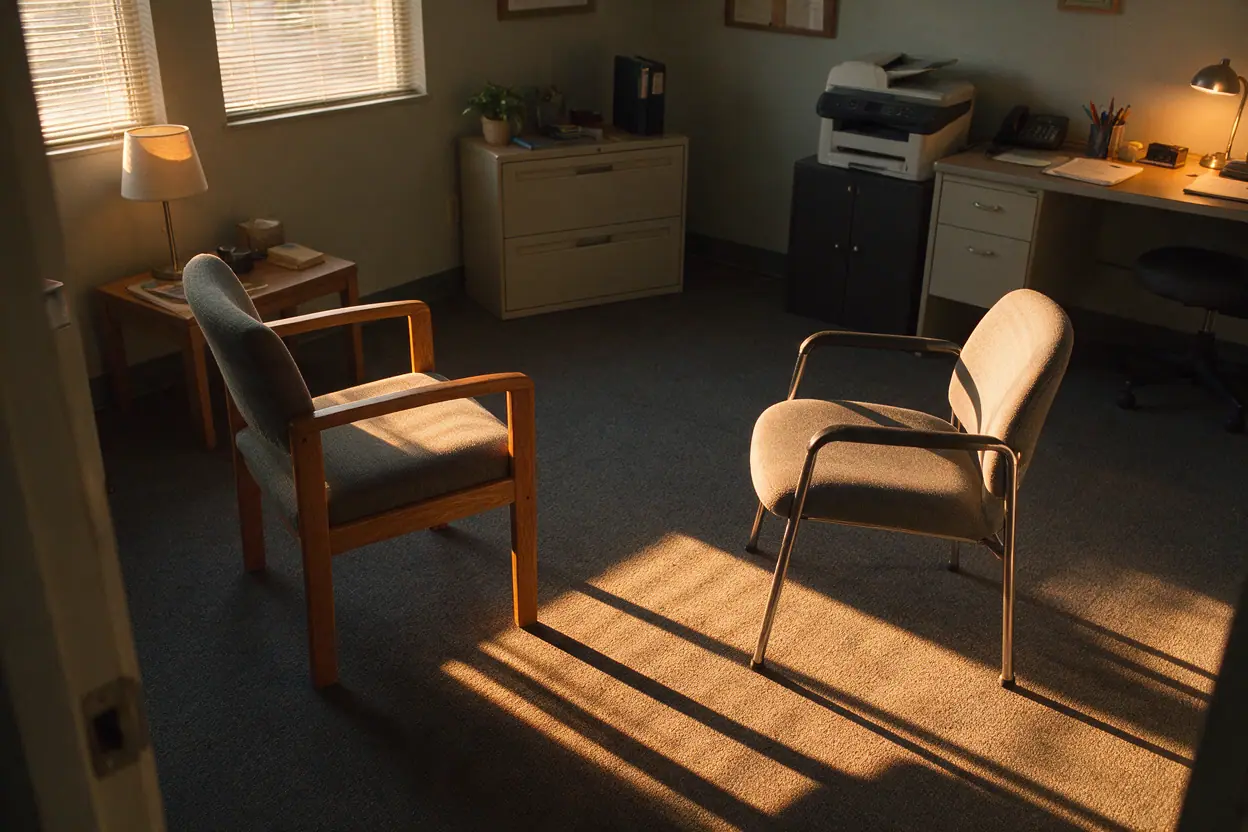
Outpatient alcohol care is organized treatment you go to on a fixed schedule and do not sleep there. The usual pattern is one or two visits each week, generally combining one-on-one counseling, group meetings, and medication management. In Connecticut, telehealth is offered at 125 of the 133 listed outpatient programs, so certain appointments can take place by video. A treatment day could be a morning group at a clinic, an afternoon phone check-in, or an evening session after work. Sessions generally last 60 to 90 minutes. The schedule you get depends on the program and what level of care your assessment suggests. SAMHSA lists 133 Connecticut outpatient alcohol treatment centers as of 2026, and they reach every region of the state.
Outpatient care is not one service. It includes standard outpatient, intensive outpatient (IOP), and partial hospitalization (PHP), which are different levels of intensity. Statewide, 76 facilities offer IOP and 29 offer PHP. Standard outpatient usually means fewer hours per week. IOP can mean several sessions a week over a few weeks. PHP is the most intensive and still lets you sleep at home. If a program offers IOP or PHP, then the number of visits per week and the length of the program will differ from standard outpatient, so ask for the schedule in writing before you commit. Some people move from PHP to IOP to standard outpatient as they stabilize. Each step is based on a clinical assessment, not a fixed timeline.
What outpatient care looks like
- 1
Assessment and level-of-care recommendation
A licensed clinician asks about your drinking, health history, and any mental health symptoms. They use that information to recommend standard outpatient, IOP, or PHP. Bring a list of medications and any recent lab results if you have them.
- 2
A written schedule and treatment plan
You should receive a plan that states how many sessions per week, what types of counseling, and how progress will be reviewed. Ask how to reach the program between sessions. If the schedule does not fit your work or caregiving responsibilities, say so early.
- 3
Counseling, medication support, and urine testing as needed
Most programs combine talk therapy with medication management when appropriate. Some use urine drug screens to support accountability. The plan should be reviewed and adjusted as your needs change, not left static for months.
- 4
Step-down or discharge planning
When you meet your goals, the program should help you transition to a lower level of care or to ongoing support. Ask what aftercare looks like, including referrals to mutual-help groups or outpatient counseling. A clear discharge plan reduces the chance of gaps.

Who outpatient alcohol care fits
- People who need a structured program but do not need 24-hour supervision, including those stepping down from inpatient or residential care. If you have completed detox and have a stable home, then outpatient is often the next level.
- Adults who want to keep working or caring for family while getting help. Evening and telehealth options allow people to attend sessions without taking extended leave.
- Individuals with mental health needs in addition to substance use, as 119 of the 133 outpatient programs provide dual-diagnosis care. This means a single plan can treat both alcohol use and conditions such as depression or anxiety.
- Someone who needs medication support and regular check-ins but not medical detox. If you are at risk of severe withdrawal, a doctor may recommend detox first; outpatient alone is not appropriate for dangerous withdrawal.


Outpatient programs and Medicaid
Of the 133 outpatient rehab facilities listed for Connecticut, 124 accept Medicaid, 127 accept private insurance, 100 accept Medicare, and 94 use a sliding-fee scale. Connecticut expanded Medicaid, so more adults might qualify for coverage than in a state that did not. If you have Connecticut Medicaid, then 124 outpatient alcohol treatment programs in the state may be able to bill your coverage, though check with the particular program before scheduling.
What's offered depends on where you live. Certain regions have multiple outpatient programs a brief drive away; others have less, and telehealth fills that gap. Of the listed programs, 76 provide services in Spanish. When language access is important to you, ask outright if a Spanish-speaking clinician works there. Levels of care and payment options shift over time, so calling the program directly remains the surest way to confirm what's current. Listings on SAMHSA FindTreatment.gov are a place to begin, not a promise that an appointment is open.
- take Medicaid
- 124
- take private insurance
- 127
- take Medicare
- 100
- provide a sliding fee
- 94
| Facility | City | Care | Payment |
|---|---|---|---|
| MCCA Inc | Danbury | IOP, Outpatient | Medicaid, Insurance |
| Family and Childrens Aid | Danbury | Outpatient | Medicaid, Insurance, Sliding fee |
| Reid | Danbury | IOP, Outpatient | Medicaid, Medicare, Insurance, Sliding fee |
| McCall Behavioral Health Network | Danbury | IOP, Outpatient | Medicaid, Medicare, Insurance, Sliding fee |
| Natchaug Hospital Inc | Danielson | Detox, PHP, IOP, Outpatient | Medicaid, Medicare, Insurance |
| Community Health Resources | Danielson | IOP, Outpatient | Medicaid, Medicare, Insurance, Sliding fee |
| Liberation Programs Inc | Greenwich | Outpatient | Medicaid, Insurance |
| Newport Academy | Bethlehem | Residential, PHP, IOP, Outpatient | Insurance |
| Newport Academy | Bethlehem | Residential, PHP, IOP, Outpatient | Insurance |
| MCCA | Bridgeport | IOP, Outpatient | Medicaid, Insurance, Sliding fee |
Based on SAMHSA FindTreatment.gov entries. Offerings and payment options can change; call to verify.
How to pay for outpatient care
Among the 133 outpatient programs in Connecticut, 94 offer a sliding-fee scale, and Medicaid is accepted at 124. Private insurance is accepted at 127, Medicare at 100. Most health plans must cover addiction and behavioral health care under the federal parity law with terms no more restrictive than medical or surgical benefits. This does not guarantee that every service is covered, so ask the program to verify your benefits before the first appointment. If your plan denies coverage, you can request the reason in writing and ask about the parity law and the appeals process. For individuals without insurance, sliding-fee slots and state-funded programs might be available, but availability varies; check by phone.
FAQ
How many outpatient alcohol treatment programs are there in Connecticut?
SAMHSA FindTreatment.gov lists 133 outpatient rehab facilities for Connecticut as of November 2026. That count covers standard outpatient, intensive outpatient, and partial hospitalization programs. Among them, 125 offer telehealth and 119 provide dual-diagnosis care. Listings can change, so call the program to confirm it accepts new patients and provides the level of care you need.
Does Connecticut Medicaid cover outpatient alcohol treatment?
Among the 133 listed outpatient programs in Connecticut, 124 take Medicaid. Because Connecticut adopted Medicaid expansion, more adults may now qualify. What's covered depends on your particular plan and which services are recommended. Have the program confirm your eligibility and benefits before beginning, and request any prior-authorization requirements in writing.
What is the difference between IOP and standard outpatient?
IOP usually involves more hours per week than standard outpatient, often several sessions over a set number of weeks. In Connecticut, 76 of the 133 outpatient facilities offer IOP, while all 133 offer some form of outpatient care. PHP is more intensive still, with 29 facilities offering it. A clinical assessment determines which level fits your situation.
Can I keep working while in outpatient treatment?
Yes, many people do. The 125 programs that offer telehealth in Connecticut can make appointments easier to fit around a job. Standard outpatient often requires one or two visits a week, while IOP may require more. Ask for the exact schedule and expected duration before you enroll so you can plan with your employer or family.
Is outpatient treatment safe for alcohol withdrawal?
Withdrawal from alcohol can be hazardous and ought to be overseen by a clinician. Outpatient programs are not designed for someone who might have severe withdrawal. If you have previously had withdrawal seizures or severe symptoms, a doctor may recommend starting with medically supervised detox. Connecticut lists 21 facilities offering medical detox. This page offers no tapering or dosing advice; talk with a clinician instead.
Where can I find a free or low-cost outpatient program in Connecticut?
Sliding-fee scales are offered at 94 of the 133 outpatient programs listed in Connecticut. Medicaid is accepted at 124. Free or very low-cost care may be available through state-funded programs or sliding-fee slots, but availability varies by location and changes over time. Call the program directly to ask about current fees and financial assistance.